
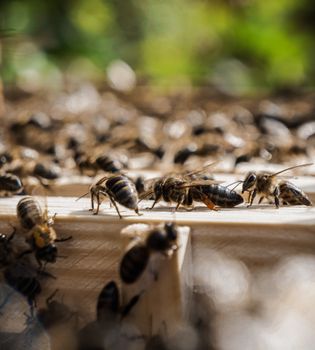
To buy honey bees, contact a reputable supplier and order a nuc or package with 3-4 pounds of bees and a queen, then prepare your apiary with proper equipment and care.
Choosing the Right Supplier
When buying honey bees, it’s crucial to choose a reputable supplier to ensure you get healthy bees. I’ve found that looking for suppliers with experience and good reviews is essential. In my experience, a good supplier will provide you with information about the bees’ origin, health, and genetic characteristics. Some popular suppliers in Thailand include the Thai Beekeeping Association and local beekeepers’ cooperatives.
Before making a purchase, ask the supplier about the type of bees they are selling, the number of bees in the package, and the price. A typical package of honey bees can cost between 1,500 to 3,000 THB, depending on the supplier and the time of year.
Understanding the Different Types of Bees
There are several types of honey bees available for purchase, including European, Italian, and Asian bees. Each type has its own unique characteristics and advantages. For example, European bees are known for their high honey production, while Italian bees are known for their gentleness and ease of management.
In Thailand, the most common type of bee kept is the European honey bee (Apis mellifera). However, some beekeepers are starting to keep Asian bees (Apis cerana) due to their ability to thrive in the local climate and their resistance to diseases.
| Type of Bee | Characteristics |
|---|---|
| European | High honey production, temperamental |
| Italian | Gentle, easy to manage, high brood production |
| Asian | Resistant to diseases, thrives in local climate, low honey production |
Preparing Your Apiary
Before buying honey bees, it’s essential to prepare your apiary with the proper equipment and care. This includes setting up beehives, installing protective clothing, and ensuring a source of food and water for the bees. I’ve found that having a well-prepared apiary can make a significant difference in the health and productivity of the bees.
In my experience, a good apiary should have at least 2-3 hives, depending on the number of bees and the available forage. Each hive should be equipped with a hive stand, a bottom board, and 10-15 frames. The frames should be coated with wax foundation to help the bees build their comb.
My Experience with Buying Honey Bees
I remember my first time buying honey bees like it was yesterday. I had just started my apiary and was eager to get my first bees. I contacted a local supplier and ordered a nuc (nucleus colony) with 3 pounds of bees and a queen. The supplier delivered the bees to my apiary, and I was amazed by the activity and energy of the bees as they started to build their comb and produce honey.
However, I soon realized that I had made a mistake by not preparing my apiary properly. The bees were not thriving, and I was struggling to manage them. I had to learn from my mistakes and make adjustments to my apiary, including adding more hives and improving the ventilation. Now, I have a thriving apiary with over 10 hives, and I’m proud to say that I’ve learned from my experiences and can share my knowledge with others.
The Cost of Buying Honey Bees
The cost of buying honey bees can vary depending on the supplier, the type of bees, and the time of year. In Thailand, the average cost of a nuc with 3 pounds of bees and a queen is around 2,500 THB. However, the cost can range from 1,500 to 5,000 THB, depending on the quality of the bees and the services provided by the supplier.
In addition to the initial cost of buying the bees, there are also ongoing expenses to consider, such as the cost of equipment, protective clothing, and food for the bees. I’ve found that the total cost of maintaining an apiary can range from 10,000 to 50,000 THB per year, depending on the size of the apiary and the level of care provided.
Tips for Buying Honey Bees
When buying honey bees, there are several tips to keep in mind. First, make sure to choose a reputable supplier who provides healthy bees and good customer service. Second, consider the type of bees you want to keep and the climate and forage available in your area. Third, prepare your apiary properly before introducing the bees, including setting up hives, installing protective clothing, and ensuring a source of food and water.
- Research the supplier and read reviews from other customers
- Choose the right type of bees for your area and climate
- Prepare your apiary before introducing the bees
- Consider the cost of equipment and ongoing expenses
Conclusion and Next Steps
Buying honey bees can be a rewarding and challenging experience, especially for beginners. By choosing a reputable supplier, preparing your apiary, and considering the type of bees you want to keep, you can set yourself up for success and enjoy the many benefits of beekeeping.
For more information on beekeeping and honey bee health, I recommend checking out our article on สุขภาพของผึ้ง (Bee Health). Additionally, if you have any questions or concerns about buying honey bees or starting an apiary, feel free to contact us for more information and guidance.
Frequently Asked Questions
How many bees should I buy?
The number of bees you should buy depends on the size of your apiary and the available forage. A typical nuc (nucleus colony) contains 3-4 pounds of bees and a queen, which is a good starting point for beginners.
What type of bees should I keep?
The type of bees you should keep depends on your climate, available forage, and personal preferences. European bees are known for their high honey production, while Asian bees are resistant to diseases and thrive in local climates.
How much does it cost to buy honey bees?
The cost of buying honey bees can vary depending on the supplier, the type of bees, and the time of year. On average, a nuc with 3 pounds of bees and a queen can cost around 2,500 THB.