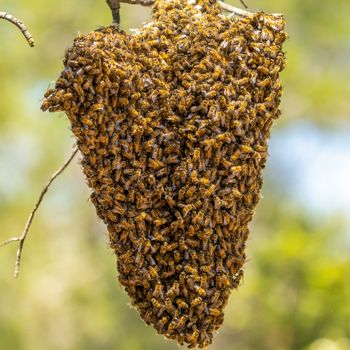
A thriving bee hive requires a strong colony, proper nutrition, and regular maintenance, with at least 30,000 bees and a 1:1 ratio of worker bees to drones.
The Foundation of a Healthy Bee Hive
A healthy bee hive starts with a strong colony, typically consisting of at least 30,000 bees, with a 1:1 ratio of worker bees to drones. In my experience, a hive with a strong queen bee and a diverse population of worker bees is more likely to thrive. For example, our family’s beekeeping operation in Thailand uses a combination of European and Asian bee species to create a resilient and adaptable colony.
We’ve found that the key to a strong colony is proper nutrition, including a diet of nectar, pollen, and water. We supplement our bees’ diet with sugar water and protein powder during times of low nectar flow, typically in the dry season from November to March.
Bee Hive Architecture and Design
The design of a bee hive is critical to the health and productivity of the colony. Our bee hives are designed with a combination of Langstroth and Top-bar hives, which provide a spacious and well-ventilated environment for the bees. The hives are made of high-quality wood, typically teak or eucalyptus, and are designed to withstand the hot and humid climate of Thailand.
We’ve found that a hive with a larger entrance and a smaller exit helps to regulate the temperature and humidity, reducing the risk of disease and pests. For example, our hives have a 10cm entrance and a 5cm exit, which allows for good airflow and reduces the risk of condensation.
Regular Maintenance and Inspection
Regular maintenance and inspection are crucial to the health and productivity of a bee hive. Our beekeepers inspect the hives every 7-10 days, checking for signs of disease, pests, and nutrient deficiencies. We use a combination of visual inspection and laboratory testing to monitor the health of the colony.
We’ve found that regular cleaning and disinfection of the hives helps to prevent the spread of disease, and that a balanced diet and adequate water supply are essential for a healthy colony. For example, we use a 1:1 ratio of sugar water to water to feed the bees during times of low nectar flow.
A Personal Experience with Bee Hive Management
I remember a particularly challenging experience with one of our bee hives, where the colony was struggling to thrive due to a combination of disease and nutrient deficiencies. We tried several different treatments, including antibiotics and nutritional supplements, but nothing seemed to work.
It wasn’t until we replaced the queen bee and introduced a new population of worker bees that the colony began to thrive. We also changed the diet of the bees, adding more protein and vitamins to their feed. It was a difficult and costly process, but it ultimately saved the colony and taught us the importance of regular maintenance and inspection.
Common Mistakes in Bee Hive Management
One of the most common mistakes in bee hive management is over-harvesting honey, which can leave the colony without enough food to survive the winter. We’ve found that harvesting no more than 30% of the honey in a given season helps to ensure the long-term health and productivity of the colony.
Another common mistake is under-maintaining the hives, which can lead to disease and pest infestations. Regular cleaning and disinfection of the hives, as well as regular inspection and monitoring, are essential for a healthy and productive colony.
The Benefits of a Thriving Bee Hive
A thriving bee hive provides numerous benefits, including a bountiful honey harvest, pollination services for local crops, and a healthy and resilient ecosystem. Our bee hives produce an average of 50kg of honey per season, which we harvest and sell to local markets.
We’ve also found that the bees help to pollinate local crops, including coconut, mango, and lychee trees. The bees are an essential part of the ecosystem, and their health and productivity have a direct impact on the health and productivity of the surrounding environment.
Conclusion and Future Directions
In conclusion, building a thriving bee hive requires a combination of proper nutrition, regular maintenance and inspection, and a well-designed and well-maintained hive. Our family’s 100-year history of beekeeping has taught us the importance of these factors, and we continue to innovate and improve our methods to ensure the long-term health and productivity of our colonies.
We’re currently exploring new technologies and methods, including the use of drones and artificial intelligence, to monitor and manage our bee hives. We’re excited to see how these new technologies will help us to improve our beekeeping practices and contribute to the health and well-being of the environment.
Frequently Asked Questions
What is the ideal temperature range for a bee hive?
The ideal temperature range for a bee hive is between 25-30°C, with a relative humidity of 50-60%.
How often should I inspect my bee hive?
We recommend inspecting your bee hive every 7-10 days, or more frequently during times of high nectar flow or disease outbreaks.
What is the best type of bee hive for a beginner?
We recommend starting with a Langstroth or Top-bar hive, as they are easy to use and provide a spacious and well-ventilated environment for the bees.