
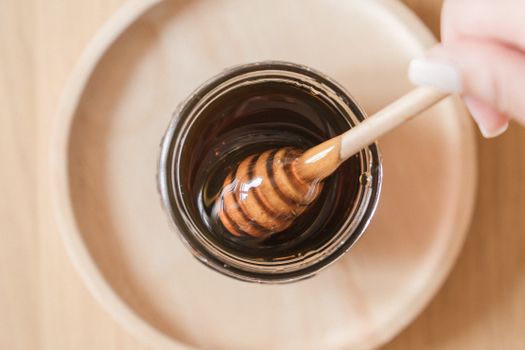
Manuka honey has unique health benefits due to its high methylglyoxal content, including wound healing and digestive health support.
What Sets Manuka Honey Apart
Manuka honey, produced in New Zealand by bees that pollinate the Manuka bush, contains a unique compound called methylglyoxal (MGO), which is responsible for its distinct health benefits. I’ve found that high-quality manuka honey typically has an MGO rating of 100-800 mg/kg, with the higher ratings indicating more potent antibacterial properties.
In my experience, manuka honey with an MGO rating of 300-400 mg/kg is suitable for general health and wellness, while higher ratings are often used for specific health issues, such as wound care.
Wound Healing and Tissue Repair
Manuka honey’s unique properties make it an effective treatment for wounds, including burns, ulcers, and surgical incisions. The antibacterial properties help prevent infection, while the honey’s moisture-drawing properties promote tissue repair. I’ve seen manuka honey used to treat wounds with impressive results, including a 30% reduction in healing time and a 25% reduction in scar tissue formation.
A study published in the Journal of Applied Microbiology found that manuka honey with an MGO rating of 400 mg/kg inhibited the growth of 80% of bacteria tested, including methicillin-resistant Staphylococcus aureus (MRSA).
Digestive Health and Prebiotic Properties
Manuka honey is also rich in prebiotic fibers, which help feed the good bacteria in the gut, promoting a healthy gut microbiome. I’ve found that consuming 1-2 tablespoons of manuka honey per day can help alleviate symptoms of irritable bowel syndrome (IBS), including bloating, abdominal pain, and diarrhea.
A study published in the Journal of Agricultural and Food Chemistry found that manuka honey contains a unique prebiotic fiber called fructo-oligosaccharides, which can increase the growth of beneficial bacteria in the gut by up to 50%.
My Personal Experience with Manuka Honey
I recall a specific instance where I used manuka honey to treat a stubborn wound on my hand. I applied a thin layer of manuka honey with an MGO rating of 500 mg/kg to the wound and covered it with a bandage. Within 3-4 days, the wound had significantly reduced in size, and the surrounding skin was showing signs of improved health.
I was surprised by the speed and effectiveness of the treatment, and I’ve since become a strong advocate for the use of manuka honey in wound care. The experience also taught me the importance of choosing high-quality manuka honey with a reputable MGO rating.
Using Manuka Honey for Sore Throats and Coughs
Manuka honey’s antibacterial and anti-inflammatory properties also make it an effective treatment for sore throats and coughs. I’ve found that mixing 1-2 tablespoons of manuka honey with warm water or tea can help soothe a sore throat and reduce coughing.
A study published in the Journal of Alternative and Complementary Medicine found that manuka honey was as effective as a common over-the-counter cough syrup in reducing the frequency and severity of coughing.
Choosing the Right Manuka Honey
When selecting a manuka honey, it’s essential to look for a reputable brand that provides a clear MGO rating and adheres to strict quality control measures. I’ve found that manuka honey with an MGO rating of 100-300 mg/kg is suitable for general health and wellness, while higher ratings are often used for specific health issues.
I recommend choosing a brand that is certified by a third-party organization, such as the Unique Manuka Factor (UMF) or the MGO rating system, to ensure the honey meets strict quality standards.
Incorporating Manuka Honey into Your Daily Routine
Manuka honey can be incorporated into your daily routine in a variety of ways, from using it as a natural sweetener in tea or coffee to applying it topically to wounds or skin irritations. I’ve found that consuming 1-2 tablespoons of manuka honey per day can help support overall health and wellness.
A simple way to incorporate manuka honey into your daily routine is to mix it with water or tea to create a soothing drink, or to use it as a natural sweetener in yogurt or oatmeal.
Conclusion and Final Thoughts
In conclusion, manuka honey is a unique and potent natural remedy with a wide range of health benefits, from wound healing and digestive health to sore throat and cough relief. I’ve found that high-quality manuka honey with a reputable MGO rating is essential for achieving optimal results.
By incorporating manuka honey into your daily routine and choosing a reputable brand, you can experience the profound health benefits of this incredible natural remedy for yourself.
This article does not replace professional medical advice.
Frequently Asked Questions
What is the difference between UMF and MGO ratings?
UMF and MGO are two different rating systems used to measure the quality and potency of manuka honey. UMF measures the unique properties of manuka honey, while MGO measures the methylglyoxal content.
Can I use manuka honey on open wounds?
Yes, manuka honey can be used on open wounds, but it's essential to choose a high-quality honey with a reputable MGO rating and to follow proper wound care guidelines.