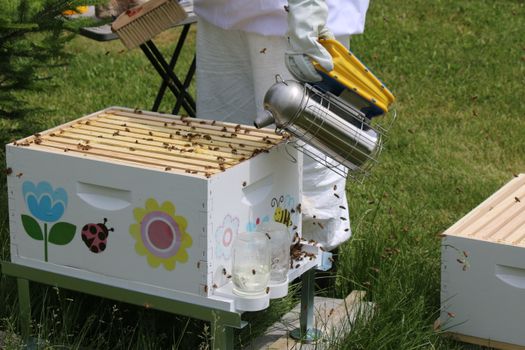
To start beekeeping, you'll need to invest in a beehive, protective clothing, and basic equipment, with an initial cost of around $500-$700
Initial Investment and Equipment
To get started with beekeeping, you’ll need to invest in a beehive, protective clothing, and basic equipment. The initial cost can range from $500 to $700, depending on the quality and brand of the equipment. I recommend starting with a single hive and expanding as you gain experience. A good quality beehive can cost between $200 to $300, while protective clothing, including a beekeeping suit and veil, can cost around $100 to $150.
In addition to the initial investment, you’ll also need to consider the cost of bees, which can range from $100 to $200 per colony, depending on the breed and quality. It’s also essential to have a smoker, hive tool, and other basic equipment, which can add another $50 to $100 to the initial cost.
Choosing the Right Bees
When it comes to choosing the right bees, there are several factors to consider, including the breed, quality, and source. I recommend starting with a European or Italian bee breed, as they are generally more docile and easier to work with. You can purchase bees from a reputable supplier or breeder, with prices ranging from $100 to $200 per colony.
It’s also important to consider the health and quality of the bees, as well as the supplier’s reputation and guarantee. Look for suppliers that provide healthy, disease-free bees and offer a warranty or guarantee.
Setting Up Your Apiary
Once you have your equipment and bees, it’s time to set up your apiary. I recommend starting with a single hive and placing it in a location that receives at least 6 hours of direct sunlight per day. The hive should be placed on a level surface, with the entrance facing east to southeast to avoid strong winds and cold temperatures.
You’ll also need to ensure that the apiary is well-ventilated and protected from pests and predators. I recommend using a mesh screen or hardware cloth to enclose the apiary and prevent predators from entering.
My Experience with Beekeeping
I still remember my first experience with beekeeping, which was over 10 years ago. I had just inherited my family’s apiary and was eager to learn the basics of beekeeping. I started by reading books and attending workshops, but it wasn’t until I actually got hands-on experience that I began to understand the intricacies of beekeeping.
One of the biggest challenges I faced was dealing with pests and diseases. I had a large infestation of varroa mites, which was affecting the health of my bees. I had to learn how to treat the mites and prevent future infestations, which was a difficult but valuable learning experience.
Basic Beekeeping Techniques
Once you have your apiary set up, it’s time to learn the basic beekeeping techniques. I recommend starting with regular inspections, which should be done every 7-10 days during the peak season. During inspections, you’ll need to check for signs of disease, pests, and nutrient deficiencies, as well as monitor the queen’s performance and the overall health of the colony.
You’ll also need to learn how to harvest honey, which is typically done in the summer months when the nectar flow is at its peak. I recommend using a honey extractor, which can be purchased or rented, to extract the honey from the combs.
Common Mistakes to Avoid
As a beginner beekeeper, it’s easy to make mistakes that can harm your bees or reduce honey production. One of the most common mistakes is over-inspecting the hive, which can disrupt the colony and cause stress to the bees. I recommend limiting inspections to once a week, unless there’s a specific issue that needs to be addressed.
Another common mistake is not providing enough food for the bees, particularly during the winter months when nectar flows are scarce. I recommend providing a sugar syrup or honey supplement to ensure the bees have enough nutrients to survive the winter.
Conclusion and Next Steps
Starting your apiary can be a rewarding and challenging experience, but with the right equipment, knowledge, and techniques, you can succeed as a beekeeper. I recommend continuing to learn and educate yourself on the latest beekeeping techniques and best practices, as well as joining a local beekeeping community or association.
Remember to always follow safety protocols and wear protective clothing when working with bees, and to be patient and gentle when handling the colony. With time and practice, you’ll become a skilled beekeeper and enjoy the many rewards of this fascinating hobby.
Frequently Asked Questions
What is the initial investment required to start beekeeping?
The initial investment can range from $500 to $700, depending on the quality and brand of the equipment.
What breed of bees is best for beginners?
European or Italian bee breeds are generally more docile and easier to work with, making them a good choice for beginners.
How often should I inspect my beehive?
Regular inspections should be done every 7-10 days during the peak season, unless there's a specific issue that needs to be addressed.