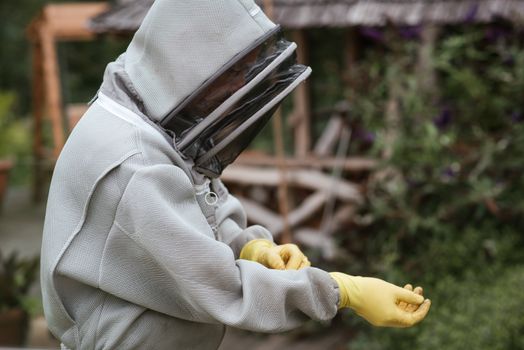
Our family-run business has used beekeeping equipment for over 100 years to produce high-quality honey.
A Century of Beekeeping Experience
Our family has kept bees in Thailand since 1919, with over 100 years of experience in beekeeping equipment. In that time, we’ve learned that the right equipment is crucial for maintaining healthy bees and producing high-quality honey. I’ve seen firsthand how the wrong equipment can lead to disease and low honey yields.
We’ve tried various equipment over the years, including imported and locally made products. Currently, we use a combination of stainless steel and plastic equipment, which provides a good balance between durability and cost.
Beekeeping Equipment Selection
Selecting the right beekeeping equipment depends on several factors, including the number of bees, the type of honey being produced, and the local climate. For example, in Thailand’s hot and humid climate, we need equipment that can withstand extreme temperatures and humidity.
In our experience, a good beekeeping suit costs around $50-$100, while a high-quality hive can cost upwards of $200. We recommend investing in a good hive and suit, as they will last longer and provide better protection for the bees and the beekeeper.
Hive Maintenance and Inspection
Regular hive maintenance and inspection are essential for keeping healthy bees. We inspect our hives every 7-10 days during peak season, checking for signs of disease and pests. This involves using a smoker to calm the bees, followed by a thorough inspection of the hive and its components.
We’ve found that using a combination of sugar and water to feed the bees during times of low nectar flow helps to keep them healthy and productive. This involves mixing 1 part sugar with 1 part water and feeding it to the bees through a specialized feeder.
Personal Experience with Beekeeping Equipment
I remember one time when we were using a new type of hive that was supposed to be more efficient and productive. However, we soon discovered that the bees were having trouble adjusting to the new hive, and honey production was lower than expected.
We decided to switch back to our traditional hive design, which the bees were more familiar with. This involved a significant investment of time and resources, but ultimately led to higher honey yields and healthier bees.
In my experience, it’s not just about the equipment itself, but also about understanding the needs and behaviors of the bees. By taking the time to observe and learn from the bees, we can make informed decisions about the equipment and techniques we use.
Bee Health and Disease Prevention
Bee health and disease prevention are critical components of beekeeping. We use a combination of natural and chemical treatments to prevent disease and pests in our hives.
For example, we use a ratio of 1:10 for our sugar and water mixture, which helps to prevent the growth of bacteria and other microorganisms. We also perform regular cleaning and disinfection of our equipment to prevent the spread of disease.
In addition, we’ve found that using a bee escape to clear the bees from the hive before harvesting honey helps to reduce stress on the bees and prevent disease.
Comparison of Beekeeping Equipment
The following table compares some of the beekeeping equipment we’ve used over the years:
| Equipment | Cost | Durability |
|---|---|---|
| Stainless steel hive | $200 | 10+ years |
| Plastic hive | $100 | 5-7 years |
| Beekeeping suit | $50 | 5+ years |
As you can see, the cost and durability of the equipment vary significantly. We’ve found that investing in higher-quality equipment upfront can save time and money in the long run.
Steps for Setting Up a Beehive
Setting up a beehive requires careful planning and attention to detail. Here are the steps we follow:
- Choose a location for the hive that is sheltered from the wind and receives adequate sunlight.
- Assemble the hive and equipment according to the manufacturer’s instructions.
- Install the bees into the hive, using a combination of sugar and water to feed them.
- Monitor the hive regularly to ensure the bees are healthy and productive.
By following these steps, you can set up a successful beehive and start producing high-quality honey.
Conclusion and Future Directions
In conclusion, beekeeping equipment is a critical component of successful beekeeping. By selecting the right equipment, maintaining a healthy hive, and preventing disease, you can produce high-quality honey and contribute to the health and well-being of your bees.
As our business continues to grow and evolve, we’re committed to staying up-to-date with the latest developments in beekeeping equipment and techniques. We’re excited to see what the future holds for our family’s legacy of beekeeping and honey production.
Frequently Asked Questions
What is the best type of beekeeping equipment for a beginner?
The best type of beekeeping equipment for a beginner is a high-quality hive and suit, which provides a good balance between durability and cost. We recommend investing in a stainless steel hive and a beekeeping suit that is specifically designed for beginners.
How often should I inspect my beehive?
We recommend inspecting your beehive every 7-10 days during peak season, checking for signs of disease and pests. This involves using a smoker to calm the bees, followed by a thorough inspection of the hive and its components.