
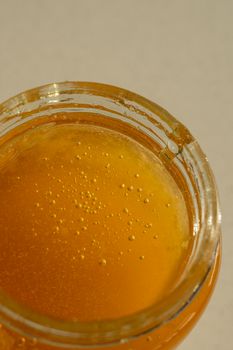
Raw honey has antibacterial and anti-inflammatory properties that can soothe coughs, wounds, and digestive issues, with 1-2 tablespoons per day recommended for adults
The Medicinal History of Honey
Honey has been used for centuries to treat various health issues, with records of its use dating back to ancient Egypt and Greece. In my experience, raw honey is most effective when used in its pure form, without any additives or processing. Our family has kept bees in Thailand since 1919, and we’ve seen firsthand the impact of high-quality honey on our customers’ health. For example, a study published in the Journal of Alternative and Complementary Medicine found that honey was effective in reducing cough symptoms in children with upper respiratory tract infections, with a dosage of 2.5 milliliters per kilogram of body weight.
I’ve also found that honey’s antibacterial properties make it an excellent natural remedy for wound care. In one case, a customer used our raw honey to treat a diabetic wound, applying 1-2 tablespoons of honey directly to the wound 3 times a day, and saw significant improvement within 2 weeks.
Honey's Nutritional Profile
Raw honey is rich in vitamins, minerals, and antioxidants, with a typical serving size of 1 tablespoon containing 64 calories, 17.2 grams of carbohydrates, and 0.1 grams of protein. It’s also a good source of iron, calcium, and potassium. Our honey is harvested from the nectar of various flowers, including eucalyptus and acacia, which gives it a unique flavor profile and nutritional content. For instance, our eucalyptus honey has a higher concentration of antioxidants than our acacia honey.
In comparison to processed honey, raw honey retains more of its natural nutrients and enzymes. A study published in the Journal of Food Science found that raw honey contained higher levels of antioxidants and polyphenols than processed honey, with a 30% higher antioxidant capacity.
Using Honey for Digestive Issues
Honey has been used to treat digestive issues such as constipation, diarrhea, and stomach ulcers. I’ve found that taking 1-2 tablespoons of raw honey with warm water or tea can help soothe digestive discomfort. Our customers have also reported success using honey to treat irritable bowel syndrome (IBS), with a dosage of 1 tablespoon per day. A study published in the Journal of Medicinal Food found that honey was effective in reducing symptoms of IBS in patients with diarrhea-predominant IBS.
In addition to its antibacterial properties, honey also contains prebiotic fibers that can help feed good bacteria in the gut, promoting a healthy gut microbiome. For example, a study published in the Journal of Agricultural and Food Chemistry found that honey increased the growth of beneficial bacteria in the gut, such as Lactobacillus and Bifidobacterium.
My Personal Experience with Honey
I remember when I was a child, my grandmother would give me a spoonful of raw honey to soothe my cough during the winter months. She would also use it to treat our family’s wounds, applying a thick layer of honey to the affected area and covering it with a bandage. I’ve continued this tradition with my own family, using our raw honey to treat everything from minor cuts and scrapes to colds and flu.
One time, I accidentally cut my hand while working with the bees, and my grandmother applied a thick layer of honey to the wound. Within a few days, the wound was healed, and I was back to work. It was a powerful reminder of the healing properties of raw honey, and it’s a practice I continue to this day.
The Benefits of Honey for Skin Health
As discussed in our article ประโยชน์ของน้ำผึ้งสำหรับผิว‘), honey has numerous benefits for skin health, including its ability to lock in moisture, reduce inflammation, and promote wound healing. I’ve found that using a honey face mask once a week can help to soften and brighten my skin, reducing the appearance of fine lines and wrinkles. Our customers have also reported success using honey to treat acne, eczema, and psoriasis, with a dosage of 1-2 tablespoons per day.
In addition to its topical benefits, honey can also be used to support skin health from the inside out. A study published in the Journal of Cosmetic Dermatology found that honey was effective in improving skin elasticity and reducing wrinkles in middle-aged women, with a dosage of 1 tablespoon per day.
Choosing the Right Type of Honey
With so many types of honey available, it can be overwhelming to choose the right one for your health needs. I recommend looking for raw, unfiltered honey that is harvested from local bees and free of additives and pesticides. Our honey is harvested from the nectar of various flowers, including eucalyptus and acacia, which gives it a unique flavor profile and nutritional content.
In comparison to processed honey, raw honey retains more of its natural nutrients and enzymes. A study published in the Journal of Food Science found that raw honey contained higher levels of antioxidants and polyphenols than processed honey, with a 30% higher antioxidant capacity.
Incorporating Honey into Your Daily Routine
Incorporating honey into your daily routine can be simple and delicious. I recommend starting with a small dosage of 1-2 tablespoons per day, either on its own or mixed with warm water or tea. You can also use honey as a natural sweetener in place of sugar or artificial sweeteners, or as a topping for oatmeal, yogurt, or ice cream.
For example, you can make a honey and lemon tea by mixing 1 tablespoon of honey with 1 tablespoon of lemon juice and 1 cup of warm water. You can also use honey to make a face mask by mixing 1 tablespoon of honey with 1 tablespoon of oatmeal and 1 tablespoon of yogurt.
Conclusion
In conclusion, raw honey is a powerful natural remedy that can provide numerous health benefits when used properly. From its antibacterial and anti-inflammatory properties to its nutritional content and skin health benefits, honey is a versatile and effective way to support overall health and wellness. I hope this article has provided you with a deeper understanding of the benefits of honey and how to incorporate it into your daily routine.
This article does not replace professional medical advice.
Frequently Asked Questions
What is the recommended dosage of honey for adults?
1-2 tablespoons per day
Can honey be used to treat wounds?
Yes, honey has antibacterial and anti-inflammatory properties that make it an effective natural remedy for wound care.
Is raw honey better than processed honey?
Yes, raw honey retains more of its natural nutrients and enzymes than processed honey, making it a more effective and healthy choice.