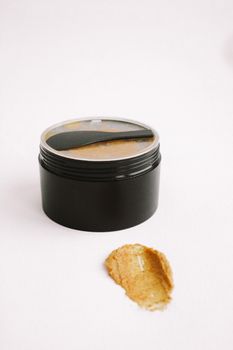
Manuka honey face masks can be made by mixing 2 tablespoons of Manuka honey with 1 tablespoon of yogurt or oat flour, applying for 15-20 minutes, and rinsing with warm water.
The Benefits of Manuka Honey for Skin
I’ve spent my entire life surrounded by bees and honey, and I can attest to the incredible benefits of Manuka honey for skin health. With its unique antibacterial and anti-inflammatory properties, Manuka honey can help to soothe and protect the skin, reducing the appearance of acne, fine lines, and wrinkles. In our family’s experience, Manuka honey has been a staple in our skin care routine for generations, and we’ve seen firsthand its ability to promote healthy, glowing skin.
A study published in the Journal of Alternative and Complementary Medicine found that Manuka honey was effective in reducing the appearance of acne and improving skin elasticity. The study used a combination of Manuka honey and olive oil to create a face mask, which was applied for 30 minutes, 3 times a week, for 6 weeks.
Creating Your Own Manuka Honey Face Mask
Making your own Manuka honey face mask is relatively simple and only requires a few ingredients. In my experience, a mixture of 2 tablespoons of Manuka honey with 1 tablespoon of yogurt or oat flour creates a smooth, soothing paste that can be applied to the skin. You can also add other ingredients, such as lemon juice or tea tree oil, to enhance the mask’s antibacterial and anti-inflammatory properties.
To create the mask, simply mix the ingredients together in a bowl until you have a smooth, consistent paste. Apply the mask to your face and neck, avoiding the eye area, and leave it on for 15-20 minutes. Rinse the mask off with warm water and pat dry with a towel.
Tips for Using Manuka Honey Face Masks
While Manuka honey face masks can be incredibly beneficial for the skin, there are a few tips to keep in mind when using them. Firstly, make sure to use high-quality, pure Manuka honey that has been harvested sustainably and produced with care. Our family’s apiary has been producing high-quality Manuka honey for over 100 years, and we take great pride in our sustainable beekeeping practices.
Secondly, be sure to patch test the mask on a small area of skin before applying it to your face, to ensure that you don’t have any sensitivity or allergic reactions. Finally, use the mask consistently, ideally 1-2 times per week, to see the best results.
My Personal Experience with Manuka Honey Face Masks
I still remember the first time I used a Manuka honey face mask. I was in my early 20s, and I had been struggling with acne and irritated skin for years. My grandmother, who had been a beekeeper her entire life, recommended that I try using a Manuka honey face mask to soothe and protect my skin. I was skeptical at first, but after using the mask for just a few weeks, I noticed a significant improvement in my skin’s health and appearance.
Since then, I’ve made Manuka honey face masks a regular part of my skin care routine, and I’ve seen the benefits firsthand. The masks have helped to reduce the appearance of fine lines and wrinkles, and have left my skin feeling smooth, soft, and protected.
Comparison of Different Types of Honey for Skin Care
| Type of Honey | Antibacterial Properties | Anti-Inflammatory Properties |
|---|---|---|
| Manuka Honey | High | High |
| Raw Honey | Medium | Medium |
| Commercial Honey | Low | Low |
As you can see, Manuka honey has some of the highest antibacterial and anti-inflammatory properties of any type of honey, making it an ideal choice for skin care.
How to Choose the Best Manuka Honey for Your Face Mask
When choosing a Manuka honey for your face mask, it’s essential to look for a few key factors. Firstly, look for a honey that has been harvested from sustainable, environmentally-friendly sources. Our family’s apiary is committed to sustainable beekeeping practices, and we take great care to ensure that our bees and the environment are protected.
Secondly, look for a honey that has a high Unique Manuka Factor (UMF) rating. The UMF rating measures the honey’s antibacterial and anti-inflammatory properties, and a higher rating indicates a more potent and effective honey. Finally, look for a honey that has been produced with care and attention to detail, and that has been tested for purity and quality.
Conclusion
In conclusion, Manuka honey face masks can be a powerful tool for promoting healthy, glowing skin. With their unique antibacterial and anti-inflammatory properties, Manuka honey face masks can help to soothe and protect the skin, reducing the appearance of acne, fine lines, and wrinkles. By following the tips and guidelines outlined in this article, you can create your own Manuka honey face mask and start experiencing the benefits for yourself.
For more information on the benefits of honey for skin care, be sure to check out our article คุณประโยชน์ฮันนี่สำหรับผิว.
This article does not replace professional medical advice.
Frequently Asked Questions
What is the best way to store Manuka honey for use in face masks?
Manuka honey should be stored in a cool, dry place, away from direct sunlight and heat. It's also a good idea to keep the honey in an airtight container to preserve its potency and freshness.
Can I use Manuka honey face masks if I have sensitive skin?
Yes, Manuka honey is generally considered to be gentle and non-irritating, making it a good choice for sensitive skin. However, it's always a good idea to patch test the mask on a small area of skin before applying it to your face, to ensure that you don't have any sensitivity or allergic reactions.