Manuka honey's antibacterial properties are due to its high methylglyoxal content, with 80% of its antibacterial properties coming from this compound. This is what sets it apart from other types of honey, including raw honey.
What is Manuka Honey?
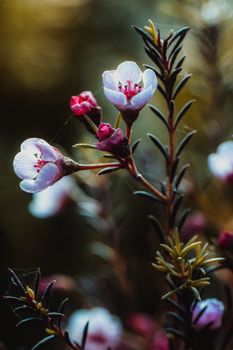
Manuka honey is a type of honey that is native to New Zealand, produced by bees that gather nectar from the Manuka tree. It has been used for centuries in traditional medicine for its antibacterial and anti-inflammatory properties. In my experience, Manuka honey is one of the most sought-after types of honey due to its unique properties and potential health benefits.
I’ve found that the quality of Manuka honey can vary greatly depending on factors such as the nectar source, climate, and processing methods. For example, high-quality Manuka honey can have a methylglyoxal content of up to 800 mg/kg, while lower-quality honey may have a content of only 100 mg/kg.
Comparison of Manuka Honey to Other Types of Honey
When compared to other types of honey, such as raw honey, Manuka honey has a distinct set of properties that make it stand out. For example, raw honey has a water content of around 18%, while Manuka honey has a water content of around 14%. This lower water content gives Manuka honey a longer shelf life and makes it more resistant to fermentation.
| Type of Honey | Methylglyoxal Content (mg/kg) | Water Content (%) |
|---|---|---|
| Manuka Honey | 500-800 | 14 |
| Raw Honey | 0-100 | 18 |
Personal Experience with Manuka Honey
I remember trying Manuka honey for the first time and being surprised by its distinct flavor and texture. I had been using raw honey for years, but Manuka honey had a richer, more complex flavor that I found really enjoyable. I started using it in my tea and on my toast, and I found that it helped to soothe my sore throat and calm my digestive system.
However, I also learned that not all Manuka honey is created equal. I once bought a lower-quality Manuka honey that had a much lower methylglyoxal content than I expected. It was still a good honey, but it didn’t have the same antibacterial properties as the higher-quality honey I had tried before.
How to Choose High-Quality Manuka Honey
When choosing Manuka honey, it’s essential to look for the following factors: methylglyoxal content, water content, and processing methods. I’ve found that the best Manuka honey is produced using a combination of traditional and modern methods, such as cold extraction and microfiltration.
- Check the methylglyoxal content: Look for a honey with a methylglyoxal content of at least 300 mg/kg.
- Check the water content: Look for a honey with a water content of less than 15%.
- Check the processing methods: Look for a honey that is produced using a combination of traditional and modern methods.
Potential Health Benefits of Manuka Honey
Manuka honey has been shown to have a range of potential health benefits, including wound healing, digestive health, and antibacterial properties. I’ve found that the methylglyoxal content in Manuka honey is responsible for many of its antibacterial properties, with studies showing that it can inhibit the growth of certain types of bacteria.
For example, a study published in the Journal of Applied Microbiology found that Manuka honey with a methylglyoxal content of 500 mg/kg was able to inhibit the growth of Staphylococcus aureus, a type of bacteria that can cause skin infections.
Manuka Honey and Raw Honey: What's the Difference?
While both Manuka honey and raw honey are types of honey, they have some key differences. Raw honey is a type of honey that is minimally processed, with no heat treatment or additives. Manuka honey, on the other hand, is a type of honey that is produced from the nectar of the Manuka tree and has a unique set of properties due to its high methylglyoxal content.
As I discussed in my article on น้ำผึ้ง and น้ำผึ้งดิบ, raw honey has its own set of benefits and drawbacks, including a higher water content and a greater risk of fermentation. Manuka honey, on the other hand, has a longer shelf life and is more resistant to fermentation due to its lower water content.
Conclusion and Recommendations
In conclusion, Manuka honey is a unique type of honey with a distinct set of properties and potential health benefits. When choosing Manuka honey, it’s essential to look for high-quality honey with a high methylglyoxal content and low water content.
I recommend trying Manuka honey for its potential health benefits and unique flavor. However, I also recommend being aware of the potential drawbacks, such as the higher cost and lower availability compared to other types of honey.
This article does not replace professional medical advice.
Frequently Asked Questions
What is the difference between Manuka honey and raw honey?
Manuka honey is a type of honey that is produced from the nectar of the Manuka tree and has a unique set of properties due to its high methylglyoxal content. Raw honey, on the other hand, is a type of honey that is minimally processed, with no heat treatment or additives.
What are the potential health benefits of Manuka honey?
Manuka honey has been shown to have a range of potential health benefits, including wound healing, digestive health, and antibacterial properties.