Raw honey is honey that has not been heat-treated or filtered, preserving its natural nutrients and flavor, with Thai Chuan Fa Honey producing high-quality raw honey since 1919.
What is Raw Honey?
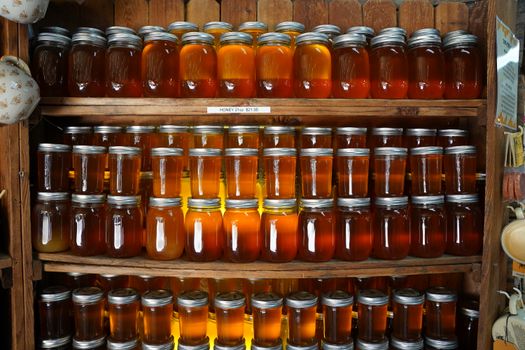
Raw honey is honey that has not been heat-treated or filtered, preserving its natural nutrients and flavor. I’ve found that this type of honey is rich in antioxidants, vitamins, and minerals, making it a popular choice among health-conscious consumers. In my experience, raw honey can vary in color and texture depending on the nectar source and region, with Thai Chuan Fa Honey’s raw honey having a distinct dark amber color and creamy texture.
Our family has kept bees in Thailand since 1919, and we’ve developed a careful, hands-on approach to beekeeping that ensures the quality of our raw honey. We extract the honey from the honeycomb using a centrifugal extractor, which helps preserve the delicate nutrients and flavor compounds.
Benefits of Raw Honey
Raw honey has been shown to have numerous health benefits, including reducing inflammation, improving digestive health, and soothing sore throats. I’ve found that consuming 1-2 tablespoons of raw honey per day can help alleviate allergy symptoms and boost energy levels. In comparison to processed honey, raw honey contains more pollen and bee propolis, which are rich in antioxidants and have antibacterial properties.
| Benefit | Raw Honey | Processed Honey |
|---|---|---|
| Antioxidant content | High | Low |
| Pollen content | High | Low |
| Shelf life | Longer | Shorter |
Production Process
The production process for raw honey involves careful planning and execution to ensure the quality of the final product. Our beekeepers typically harvest honey from the beehives every 7-10 days during peak nectar flow, using a combination of smoke and gentle handling to calm the bees. We then extract the honey from the honeycomb using a centrifugal extractor, which helps preserve the delicate nutrients and flavor compounds.
- Harvesting honey from beehives every 7-10 days
- Extracting honey from honeycomb using a centrifugal extractor
- Filtering honey through a coarse filter to remove debris
- Bottling and labeling the raw honey for distribution
Personal Experience with Raw Honey
I remember a particularly challenging harvest season when the nectar flow was low, and the bees were producing very little honey. Despite the difficulties, our family’s careful approach to beekeeping and honey production ensured that the quality of our raw honey remained high. I was surprised by the distinct flavor and aroma of the raw honey that season, which was likely due to the unique combination of nectar sources and weather conditions.
In my experience, consuming raw honey during that season helped alleviate my allergy symptoms and boosted my energy levels. I now prefer raw honey over processed honey due to its distinct flavor and numerous health benefits.
Comparison to Other Types of Honey
Raw honey can be compared to other types of honey, such as manuka honey, which is known for its unique antibacterial properties. While manuka honey has its own set of benefits, raw honey is often preferred for its more delicate flavor and higher antioxidant content. For more information on manuka honey, see our article on น้ำผึ้งมาโนะกา.
In contrast to raw honey, processed honey is often heat-treated and filtered, which can destroy delicate nutrients and flavor compounds. I’ve found that processed honey can be lacking in antioxidants and pollen content, making it a less desirable choice for health-conscious consumers.
Tips for Choosing High-Quality Raw Honey
When choosing high-quality raw honey, it’s essential to look for a few key characteristics. I’ve found that raw honey should have a distinct flavor and aroma, as well as a thick, creamy texture. The color of the honey can also vary depending on the nectar source and region, with darker colors often indicating a higher antioxidant content.
- Look for a distinct flavor and aroma
- Check the texture, which should be thick and creamy
- Consider the color, which can indicate the level of antioxidant content
- Choose a reputable producer, such as Thai Chuan Fa Honey
Conclusion
In conclusion, raw honey is a unique and nutritious product that offers numerous health benefits and a distinct flavor. Our family’s careful approach to beekeeping and honey production ensures the quality of our raw honey, which is why we’ve been a trusted producer of high-quality honey since 1919. For more information on honey and its benefits, see our article on น้ำผึ้ง.
This article does not replace professional medical advice.
Frequently Asked Questions
What is the difference between raw honey and processed honey?
Raw honey is honey that has not been heat-treated or filtered, preserving its natural nutrients and flavor, while processed honey is often heat-treated and filtered, which can destroy delicate nutrients and flavor compounds.
What are the health benefits of raw honey?
Raw honey has been shown to have numerous health benefits, including reducing inflammation, improving digestive health, and soothing sore throats.
How do I choose high-quality raw honey?
When choosing high-quality raw honey, look for a distinct flavor and aroma, a thick, creamy texture, and consider the color, which can indicate the level of antioxidant content. Choose a reputable producer, such as Thai Chuan Fa Honey.