To keep bees healthy and happy, provide a safe environment, sufficient food, and regular maintenance, including inspections every 7-10 days during peak season.
Setting Up Your Apiary
To start beekeeping, you need to set up your apiary, which includes choosing a location, selecting the right equipment, and preparing your bees. I recommend starting with 2-3 colonies and investing in high-quality equipment, such as the Thai Chuan Fa Honey beekeeping suit, which costs around $200.
In my experience, it’s best to start with a single hive and gradually expand as you gain more experience. A good rule of thumb is to start with a 10-frame hive and add more frames as the colony grows, with a ratio of 1:5 bees to frames.
Choosing the Right Bees
When it comes to choosing the right bees, there are several factors to consider, including the breed, climate, and purpose of the hive. For example, the Italian bee is a popular choice for beginners, as they are gentle and easy to handle, while the Thai native bee is well-suited for tropical climates.
I’ve found that a mix of breeds can be beneficial, as it allows for a more diverse gene pool and increased resilience to disease. For example, a 50:50 mix of Italian and Thai native bees can provide a balance of gentleness and adaptability.
Equipment and Supplies
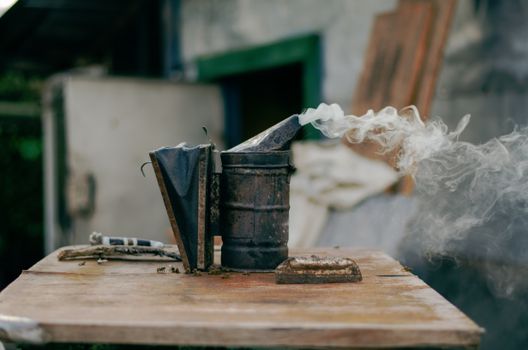
To keep your bees healthy and happy, you’ll need to invest in the right equipment and supplies. This includes a hive, frames, foundation, and protective clothing, such as the Thai Chuan Fa Honey beekeeping suit. You’ll also need a smoker, which costs around $20, and a hive tool, which costs around $10.
I recommend checking out our article, อุปกรณ์การปลูกและดูแลผึ้ง, for a more detailed list of the equipment and supplies you’ll need to get started.
A Personal Experience with Beekeeping
I still remember my first year of beekeeping, when I was 10 years old and helped my family with our apiary. We had 5 colonies and managed to harvest around 100 kg of honey, which was a significant amount for our small operation. However, we also faced challenges, such as a swarm that got away and a hive that was infested with pests.
One of the most significant lessons I learned that year was the importance of regular inspections. We were inspecting the hives every 14 days, but it wasn’t enough, and we ended up losing one of the colonies. Now, I inspect my hives every 7-10 days during peak season, and it’s made a huge difference in the health and productivity of my bees.
Inspections and Maintenance
Regular inspections and maintenance are crucial to keeping your bees healthy and happy. This includes checking for signs of disease, pests, and nutritional deficiencies, as well as ensuring that the hive is well-ventilated and clean. I recommend using the ผึ้งผลิตน้ำผึ้ง method, which involves inspecting the hives every 7-10 days during peak season and taking notes on the condition of the hive and the bees.
Here are the steps I follow for inspections and maintenance:
- Prepare my equipment, including my beekeeping suit, smoker, and hive tool
- Light the smoker and ensure the bees are calm
- Open the hive and inspect the frames for signs of disease or pests
- Check the queen’s performance and ensure the hive is well-ventilated
- Take notes and make adjustments as necessary
Common Challenges and Solutions
One of the most common challenges beekeepers face is pests and diseases. For example, the varroa mite is a significant threat to bee colonies, and can be controlled using a combination of methods, including chemical treatment and integrated pest management. I’ve found that using a mix of 50% sugar and 50% water to feed the bees can help boost their immune system and reduce the risk of disease.
Another common challenge is swarming, which can be prevented by ensuring the hive has enough space and providing a healthy environment for the bees. Here are some tips for preventing swarming:
- Ensure the hive has enough space and provide additional frames as necessary
- Keep the hive well-ventilated and clean
- Monitor the queen’s performance and ensure she is healthy and productive
Best Practices for Beekeeping
Here are some best practices for beekeeping that I’ve found to be effective:
| Practice | Benefits |
|---|---|
| Regular inspections | Early detection of disease and pests |
| Proper ventilation | Reduced risk of disease and improved honey production |
| Healthy environment | Increased bee productivity and reduced risk of swarming |
I recommend checking out our article, อุปกรณ์การปลูกและดูแลผึ้ง, for more information on the best practices for beekeeping.
Conclusion and Next Steps
Beekeeping is a rewarding and challenging hobby that requires dedication and hard work. By following the tips and best practices outlined in this article, you can help keep your bees healthy and happy. Remember to always prioritize the health and well-being of your bees, and don’t hesitate to seek advice from more experienced beekeepers.
I hope this article has provided you with a solid foundation for getting started with beekeeping. If you have any questions or need further guidance, please don’t hesitate to reach out.
Frequently Asked Questions
What equipment do I need to get started with beekeeping?
You'll need a hive, frames, foundation, and protective clothing, such as a beekeeping suit. You'll also need a smoker and a hive tool.
How often should I inspect my bees?
You should inspect your bees every 7-10 days during peak season, and take notes on the condition of the hive and the bees.
What are some common challenges faced by beekeepers?
Some common challenges faced by beekeepers include pests and diseases, swarming, and nutritional deficiencies.